Program ManagementDesign, launch, and optimize card programs from one interface, with pricing simulation, scheme compliance, and real-time ROI dashboards.
Payment Solutions
Card Management System
End-to-end control over every card, every account, every commercial relationship.
Explore Growth Solutions
On This Page
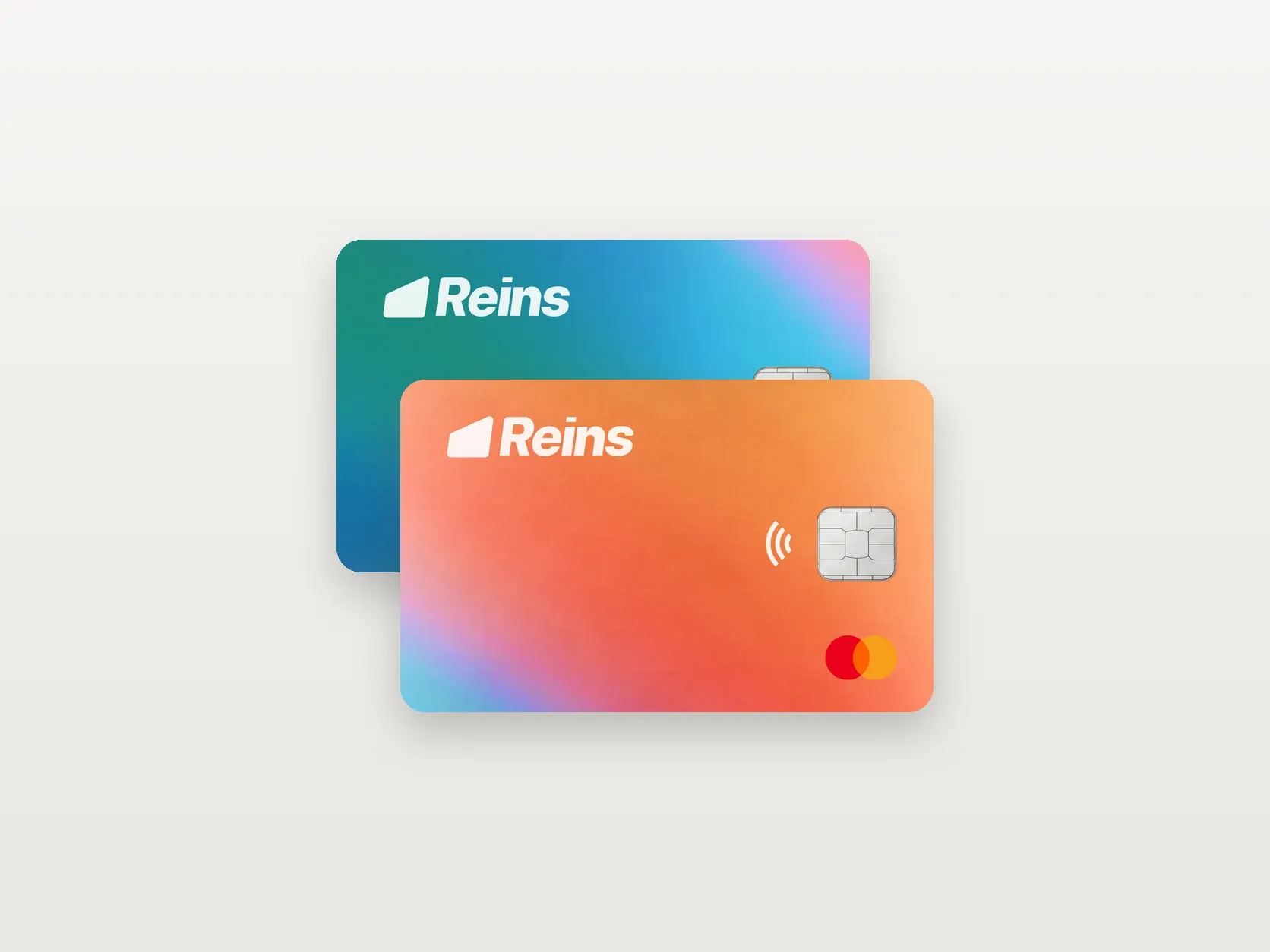
Reading time: ~4 Min ReadReins's Card Management System runs the full card lifecycle: issue, activate, suspend, replace, cancel, across physical, virtual, and RFID credentials, on one multi-tier account hierarchy from issuer down to individual driver.
Card status changes take effect immediately and are enforced at the very next authorization, not on a batch cycle or a next-day sync.
Closed-loop and open-loop programs run in parallel in the same system, with self-service administration available to your own team and, if you choose, directly to your business customers.
What Can You Actually Control With A Fleet Card Management System?
Everything from a single card's status to the commercial terms behind it. Pricing, discounts, credit, product catalog, and where the card is allowed to spend. One control model covers both sides of the program: your own contracted station network, and the open-loop world of countries, merchant categories, and individual merchants. Rules are set once at issuer level and inherited all the way down to a single vehicle.
Full Card & Credential Lifecycle
Issue, activate, update, suspend, block, replace, and handle expiry across every identification means your network uses, from physical and virtual cards to RFID. The same lifecycle applies whether the credential runs on your closed-loop network, on the open-loop rails, or on both at once. Every change is recorded in a per-card audit trail.

Price Lists Per Customer
A central pricing engine, not a spreadsheet. Set prices by fuel type, by station group, and by client type, with a validity period on every list. When terms change you publish a new list. Historical transactions stay priced under the list that was active when they happened.

Discount Programs That Grow Volume
Build a dedicated discount program per company: fixed amount per liter, percentage, or a combination, with an optional fee on top. Rules can differ by station, so you can reward volume at your own sites and protect margin at dealer sites — and run time-limited promotions without touching the base price list.

Product Catalog Control
Decide which products and services each company is allowed to buy. The rule follows down to the vehicle and the card, and extends beyond fuel to the merchant categories you open up on the card.

Line Of Credit Per Account
Set a credit line and deposit per company, with payment terms that drive the invoice due date. The account ledger keeps one running record — transactions, payments, deposits, balance, and available credit, so exposure per customer is visible before the next authorization, not after the month-end invoice.

Where The Card Is Allowed To Spend
Choose exactly where a card works, per company or per vehicle. Inside your network that means a white list or black list of stations. Outside it, the same card is controlled by country, by merchant category, and by individual merchant. Anything outside the rule is declined at authorization.

Multi-Tier Account Structures
A hierarchy from issuer down to company, cost center, vehicle, and driver. Products, price lists, discount programs, spending caps, and periodic or volume limits are set once at any level and inherited by everything below.
How You Do It
How Does Card Issuance And Lifecycle Management Actually Work?
Your products, prices, discount programs, and the networks you accept are configured once at the top of the hierarchy. Everything you create later starts from them, so you are never rebuilding the same setup per customer.
Each company gets its own commercial policy: the price and discount that match the deal you signed, a credit line, the products it can buy, and the places its cards work, on your network and beyond it.
Physical or virtual, assigned to a vehicle, a cost center, or a driver. Everything set above it applies from the very first transaction, so there is nothing to configure card by card.
Adjust a limit, block a card, open a new merchant category, or move a customer onto new terms. Changes are enforced at the very next authorization, not on a nightly batch or a next-day sync.
Basic Card Tools vs. Legacy CMS vs. Reins
How Do They Actually Compare?
| Capability | Basic Card Admin Tools | Legacy Card Management System |  |
|---|---|---|---|
| Card lifecycle | Manual, ticket-based | Full, but siloed per program | Full lifecycle, one system across programs |
| Self-service | Limited or none | Back-office only | Portal self-service for your team and your customers |
| Credential types | Usually one type | Physical-first, virtual bolted on | Physical, virtual and RFID on one credential model |
| Account hierarchy | Flat or two levels | Program-specific hierarchy | Issuer → company / sub company → cost center → vehicle → driver → identification means |
| Closed + open loop | Not offered | Usually separate systems | Parallel, same account |
| Change propagation | Manual re-sync, delayed | Batch, next cycle | Changes take effect immediately and are enforced at the very next authorization, and it is also possible to modify data and trigger a retroactive rating process that recalculates transactions already rated but not yet billed. |
| Audit trail | Partial | Per-module | Every change, every module, one trail |
| Reinvent Growth | Not offered | Rarely | Always! The same platform adds wallet, loyalty, and marketing layers as you grow See Solutions |
Basic Card Admin Tools
Card lifecycle
Manual, ticket-based
Self-service
Limited or none
Credential types
Usually one type
Account hierarchy
Flat or two levels
Closed + open loop
Not offered
Change propagation
Manual re-sync, delayed
Audit trail
Partial
Reinvent Growth
Not offered
Legacy Card Management System
Card lifecycle
Full, but siloed per program
Self-service
Back-office only
Credential types
Physical-first, virtual bolted on
Account hierarchy
Program-specific hierarchy
Closed + open loop
Usually separate systems
Change propagation
Batch, next cycle
Audit trail
Per-module
Reinvent Growth
Rarely
Reins
Card lifecycle
Full lifecycle, one system across programs
Self-service
Portal self-service for your team and your customers
Credential types
Physical, virtual and RFID on one credential model
Account hierarchy
Issuer → company / sub company → cost center → vehicle → driver → identification means
Closed + open loop
Parallel, same account
Change propagation
Changes take effect immediately and are enforced at the very next authorization, and it is also possible to modify data and trigger a retroactive rating process that recalculates transactions already rated but not yet billed.
Audit trail
Every change, every module, one trail
Reinvent Growth
Always! The same platform adds wallet, loyalty, and marketing layers as you grow See Solutions
FAQ.
It is the platform that issues fleet cards and controls everything behind them, from the price the customer pays to the products they can buy and the stations where the card works. Reins runs all of it in one system, across closed loop and open loop cards and every level from issuer down to the individual driver.
Yes. Virtual cards and RFID tags run on the same model as physical cards, so a virtual card issues instantly and carries exactly the same controls.
Yes. Suspend, block, cancel, and replace take effect immediately and are enforced at the very next authorization, with the change visible in the portal right away.
Yes. Spending controls, product restrictions, and time or volume limits are set per card, vehicle, driver, or account-hierarchy level, and enforced at the same real-time authorization decision as every other rule.
Yes. Closed-loop and open-loop programs run in parallel within one unified system, on the same account, rather than as two platforms to reconcile against each other.
Related Solutions.
Issue Payment CardIssue fuel, EV, prepaid, and open-loop cards from one platform, spending controls, white-label programs, and PCI DSS/PSD2 compliance built in.
Real-Time Spend ControlDefine and enforce spend rules in real time: vehicle, driver, and card-level limits, MCC filtering, and geo-fencing.