01
Multi-Currency, Multi-Language Invoicing
Invoice generation configured per customer or market, with currency conversion support and the option to plug in external real-time rate sources.

Every invoice is accurate, compliant, and ready to send, wherever your customer or your business is located.
Explore Other Solutions
Reins rate a transaction once, at authorization or capture, so by the time it reaches billing, the line is already priced, not calculated from scratch in the invoice run.
Multi-language, multi-currency invoices generated per customer or market, with VAT and tax compliance handled to local regulatory requirements, and flexible billing cycles by product, cost center, location, or ledger.
Every price list and discount program is versioned and effectively-dated, so a line on a six-month-old invoice still traces back to the exact rule that was in force when it was billed.
Because invoicing never calculates anything. Every transaction is rated on receipt against the price list, discount program, commission and VAT version that was in force for that customer, product, site and moment — and the platform stamps which version it applied. Billing then assembles already-rated lines into the invoice; it doesn't re-derive them.
01
Invoice generation configured per customer or market, with currency conversion support and the option to plug in external real-time rate sources.
02
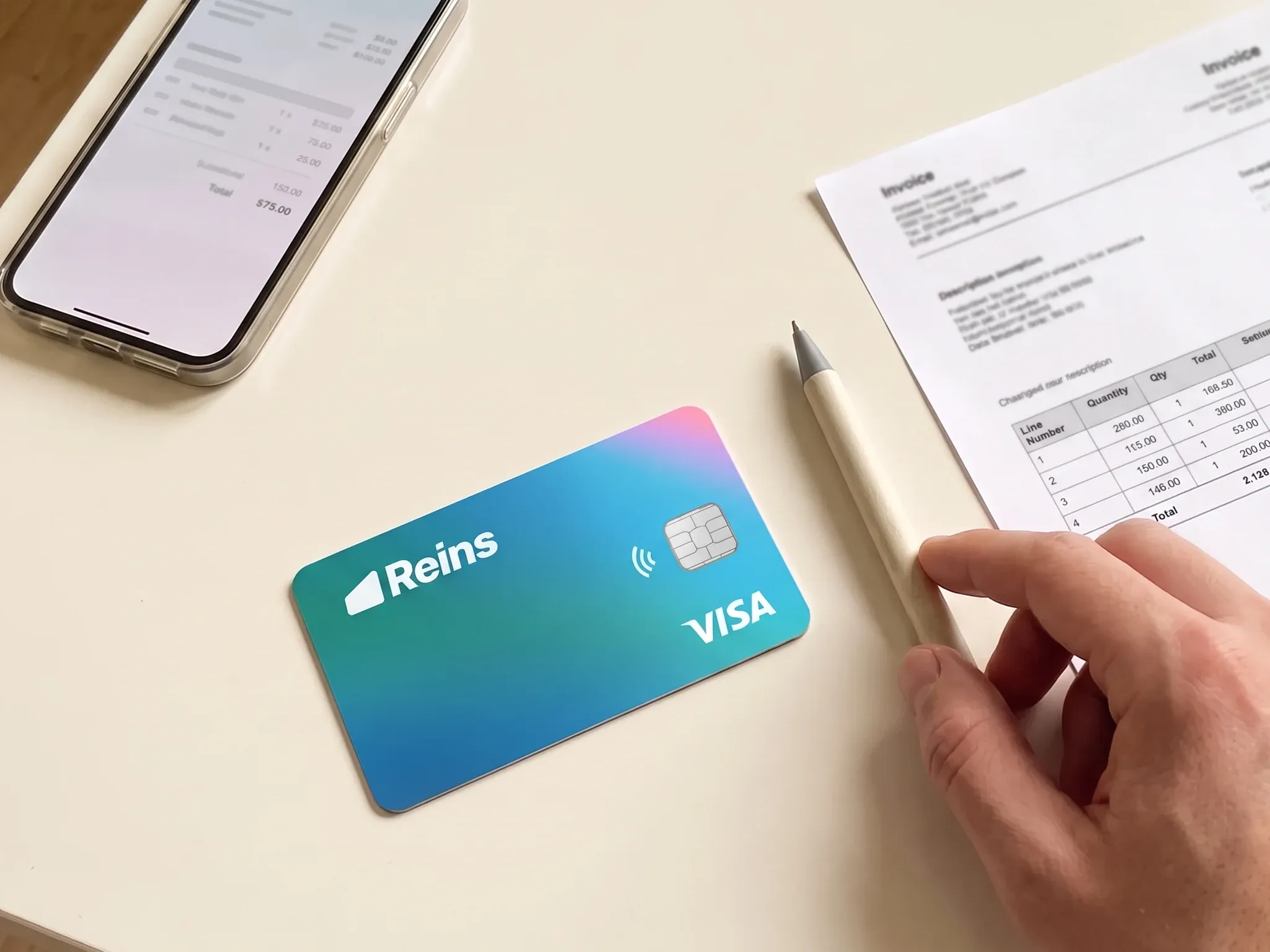
VAT is calculated and applied per the rules in force for the transaction, and invoices meet local invoicing requirements — including mandated digital formats and digital signature. The signed invoice is a legal artifact and cannot be edited.
03
Transactions are rated on receipt, not at invoice time, so a billing run assembles already-priced lines rather than computing them. If a commercial term changes, affected transactions re-rate automatically, including retroactively. Rating runs continuously, so the billing run needs no preparation: it collects what is already priced and closes the cycle.

04
Billing runs off a billing definition set on the company, and a company can carry several. Each one scopes its own population (sub-account or cost center, product type, station set) and produces its own billing row, invoice and payment order per cycle. A fleet can be invoiced monthly for fuel and weekly for EV charging, split by cost center, with a separate definition for a subsidiary settled by the parent. Each definition sets its own periodicity (daily, weekly, monthly or custom), cycle date, cutoff time, payment method and delivery, which report, in which format, to whom, through which channel.
05
Reconciliation runs at both ends of the cycle. Before billing, only transactions that pass reconciliation reach Approved and get picked up by a run — unmatched records are held out rather than invoiced and corrected later. After billing, payments are matched against issued invoices, with due-date tracking, dunning on overdue balances, and handling for failed or split payments. Outputs feed finance systems directly: scheduled reports in PDF, Excel or CSV, plus token-authenticated APIs for pulling billing and payment data into the ledger, no manual bridging.

06
Price lists and discount programs are versioned and effectively-dated, so a historic invoice line traces back to the exact rule in force when it was billed.

07
Billing campaigns place your message on the invoice itself, the one document a customer actually opens and reads line by line. Price changes, new products, account notices and promotions ride on the document instead of competing with an inbox. Campaigns are targeted, so a price change reaches only the accounts it affects, and the notice arrives at the moment the customer is looking at the charge it explains. No separate send, no separate open rate, no deniability about whether it was received.

How It Works
The completed transaction is rated as it arrives, in a single pass that produces both sides of the deal — what the customer owes and what the station is owed — against the price lists, discount programs, commissions and VAT effective at that moment, with the versions applied stamped on the record.
A corrected price, a new commercial term or a retroactive discount re-rates the affected transactions online, when the change is applied — not queued for a billing run. Because every parameter is effectively-dated and live, a transaction that arrives late is rated exactly as it would have been at its own moment.
The billing run collects already-rated lines on whichever cycle applies — by product, cost center or site — and builds the billing entity, invoice and payment order. Nothing is computed here; the run needs no preparation. The same definition model drives merchant settlement, so station reimbursement runs on its own scope and cadence through the same pipeline.
The invoice is generated from the issuer's template in the customer's language and currency, digitally signed as the legal artifact, and delivered by the configured channel, optionally carrying a targeted billing campaign on the document itself. Merchants receive statements and reimbursement orders the same way.
Payments are matched against issued invoices, with due-date tracking, dunning and handling for failed or split payments. The merchant side closes the payable on its own cadence. Both feed finance systems by scheduled report or API.
How Do They Actually Compare?
| Capability | Priced At Invoice Time | Generic Billing Software |  Priced Before Billing |
|---|---|---|---|
| When the price is set | At invoice generation, after the fact | Configurable, but disconnected from the transaction | On receipt of the transaction; the run only assembles |
| Retroactive price change | Manual credit note | Manual correction | Re-rated online the moment the change is applied, independent of any billing run |
| Price history | Rarely versioned | Basic change log | Every price list, discount and commission effective-dated and live: a transaction arriving late rates exactly as it would have at its own moment dated, fully auditable |
| Tracing one invoice line | Reconstructed by hand | Partial | Back to the exact versions applied |
| Billing cycles | One cycle per customer | Limited variants | Multiple definitions per company, each with its own scope and cadence |
| Customer and merchant sides | Separate systems or spreadsheets | Customer side only | One engine, same flexibility both ways, collection and reimbursement |
| Reaching the customer | Separate email | Separate email | Billing campaigns delivered on the invoice itself, price changes, new products, account notices, targeted to the accounts each one affects |
Yes. Invoice generation is multi-language and multi-currency, configured per customer or market.
Yes. VAT is calculated and applied per the rules in force for the transaction, and invoices meet local invoicing requirements — including mandated digital formats and digital signature.
On receipt. The completed transaction is rated as it arrives, in a single pass that produces both what the customer owes and what the merchant is owed. It reaches billing already rated, so the run assembles priced lines rather than calculating them.
It re-rates online, the moment the change is applied, not queued for a billing run. Because every price list, discount and commission is effectively-dated and live, a transaction arriving late is rated exactly as it would have been at its own moment.
Yes. A company can carry multiple billing definitions, each scoping its own population - sub-account or cost center, product, site set, with its own periodicity, cycle date, cutoff and payment method. Each produces its own invoice and payment order.
Yes. Every price list, discount program and commission is versioned and effectively-dated, and each transaction is stamped with the versions applied, so a historic line traces back to the exact rules in force when it was rated.
Billing, invoice and payment data is available through token-authenticated APIs and scheduled report delivery in PDF, Excel or CSV, so no manual bridging or re-keying is needed.
Both, through one engine. The same definition model drives station reimbursement - merchant terms, commissions, scoping and cadence, so collection and settlement run on the same backbone with the same flexibility.
No code change. Billing definitions, price lists, discount programs and invoice templates are configured from the platform.
Payment ProcessorThe rating and settlement engine every invoice line comes from.
Card Management SystemThe account hierarchy billing cycles are organized around.
Cash-Flow ControlFor the liquidity and collections side of what gets invoiced here.